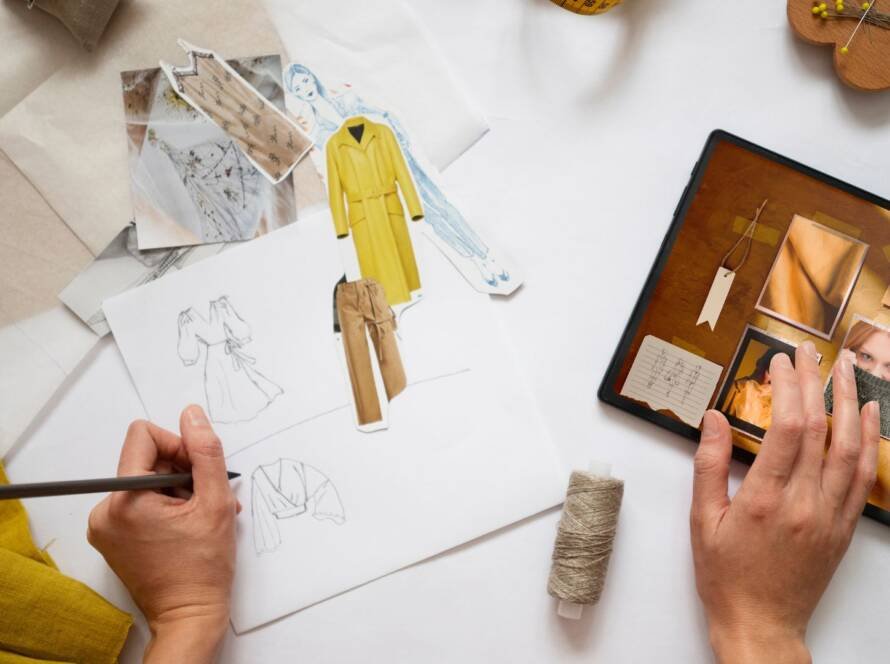


So, let’s start with a question: have you ever walked into a tiny boutique, one that smells faintly of fresh cotton and ambition, and thought, wow, this place just feels different? That’s not an accident. Behind that experience, which includes the curated lighting, the flow of fabrics, even the way a dress seems to “belong” to the space, lies a whole world called boutique management.
Now, if you’re a fashion design student, you might be thinking, “Wait, I’m here to design clothes, not run a store.” Fair. But here’s the secret no one really tells you in college: a designer who understands boutique management doesn’t just make clothes, they build a brand. And that is what separates someone who designs from someone who defines trends.
What Exactly Is Boutique Management?
Think of boutique management as the bridge between creativity and commerce. It’s the art (and a little science) of turning your design vision into a complete experience for your customers.
It’s not just about selling clothes. It’s about building a story, your story, through every piece, every corner of your boutique, every social post, every tag. From planning inventory to managing customer relationships, it’s like conducting an orchestra where fabric, lighting, and personality all play their parts in harmony.
And honestly, managing a boutique isn’t about being “business-minded” in the cold, corporate way. It’s more about knowing how your creativity can live and breathe in the real world. A boutique becomes your stage. Your canvas. Your second sketchbook, in a way.
Why Designers Should Care About Boutique Management
Okay, here’s the truth: fashion design isn’t just sketching silhouettes and picking fabrics anymore. The industry expects designers to think like entrepreneurs.
When you understand boutique management, you’re not only designing garments. You’re designing experiences. You’ll know how to:
- Curate collections that actually sell (not just look great on paper).
- Understand your target audience: what they love, what they scroll past, what they’d pay for.
- Present your brand story in a way that makes people feel something.
You see, boutique management teaches you how to merge fashion brand strategy with your creative instincts. It’s how you translate your imagination into profit — without selling your artistic soul.
And let’s be honest, being both the designer and the business brain feels incredibly empowering. It’s like being the captain of your own creative ship. Sure, you might hit a few waves at first, but hey — it’s your voyage.
The Creative Side of Boutique Management
People often assume the business side of fashion is dull — spreadsheets, sales, reports, and all that jazz. But actually, boutique management can be incredibly creative if you approach it the right way.
Imagine you’re planning your next collection. You’re sketching designs inspired by, say, coastal sunsets — coral tones, linen textures, easy silhouettes. Now, think beyond the garments. How will your boutique reflect that theme? Will the window display carry the same warmth? Will your playlist match that mood?
That’s boutique management too. It’s like extending your design story beyond the sketchpad. Every creative decision becomes part of your fashion brand strategy.
And when it all clicks together — when your collection, your store layout, and your storytelling sync up — customers don’t just shop. They believe.
Building a Brand: It’s Personal
Here’s something I’ve learned from observing successful designers-turned-entrepreneurs: brand building starts from something deeply personal. It’s your perspective, your aesthetic, your quirks that shape the identity of your boutique.
Maybe your brand is all about sustainable textiles and soft silhouettes. Or maybe it’s bold streetwear with a local twist. Either way, boutique management gives structure to that identity. It turns your vision into an experience that others can step into, quite literally.
Think of your boutique as your diary. Every rack, every label, every post on Instagram tells a page of your story. The more honest and consistent it is, the more people will connect with it.
And that connection? That’s what makes people come back, not just for the clothes, but for you.
Some Practical Designer Business Tips
Alright, enough dreamy talk. Let’s get real for a moment. Running a boutique, no matter how artistic your vision is, still needs some practical grounding. Here are a few small but mighty things to remember:
- Know your customer, not just their size or budget, but what excites them. Talk to them, observe them, understand them.
- Plan your collection smartly. Think seasonally, but also timelessly. You don’t want a rack full of “last month’s trend.”
- Create consistency. Whether it’s your hang tags or social media captions, everything should echo your brand tone.
- Learn to price your work right. Creativity deserves value. Don’t undersell because you’re “just starting.”
- Build relationships, not just sales. Boutique management thrives on connection with your team, customers, and even suppliers.
These might sound simple, but trust me, they can make or break your boutique’s success.
The Future of Boutique Management in Fashion
Fashion is shifting fast, from big retail to personal, experience-driven shopping. Consumers today crave authenticity. They want to feel like they know the person behind the label.
This is where boutique management shines. It’s all about personalization, storytelling, and building that direct bridge between you (the designer) and your audience. And with technology blending into fashion — online boutiques, virtual try-ons, live shopping — the opportunities are endless.
So, if you’ve ever dreamed of running your own boutique or launching your own label, start paying attention to this side of fashion. Learn how spaces are designed, how collections are marketed, how small details influence customer decisions. It’s an education that goes way beyond the classroom.
So, Where Do You Start?
Start small. Maybe with a pop-up. Or an online boutique. Or even just a well-curated Instagram page that feels like your future store’s preview. The point is, you don’t need to wait until you “have it all figured out.” Boutique management is something you learn as you build. As you experiment. As you fail a little and adjust a lot.
Because honestly, there’s no perfect formula. There’s only passion and persistence (and maybe a few late-night coffee-fueled inventory sessions).
Conclusion
At its heart, boutique management isn’t about running a store. It’s about shaping your identity as a designer in the real world. It teaches you how to turn your creativity into something tangible, profitable, and lasting.
So if you’re a fashion design student wondering whether this path is for you, try it. Learn it. Let it challenge you. Because managing your own boutique isn’t just about clothes. It’s about crafting a world that reflects you. And really, what could be more stylish than that?
At Institut de Silhouette, we believe fashion isn’t just about designing garments, it’s about shaping stories, brands, and futures. Through our Boutique Management program, students learn how creativity meets strategy, how vision turns into business, and how confidence transforms into success. Whether you dream of owning your label or managing your own boutique, this is where your fashion journey finds its real-world rhythm.