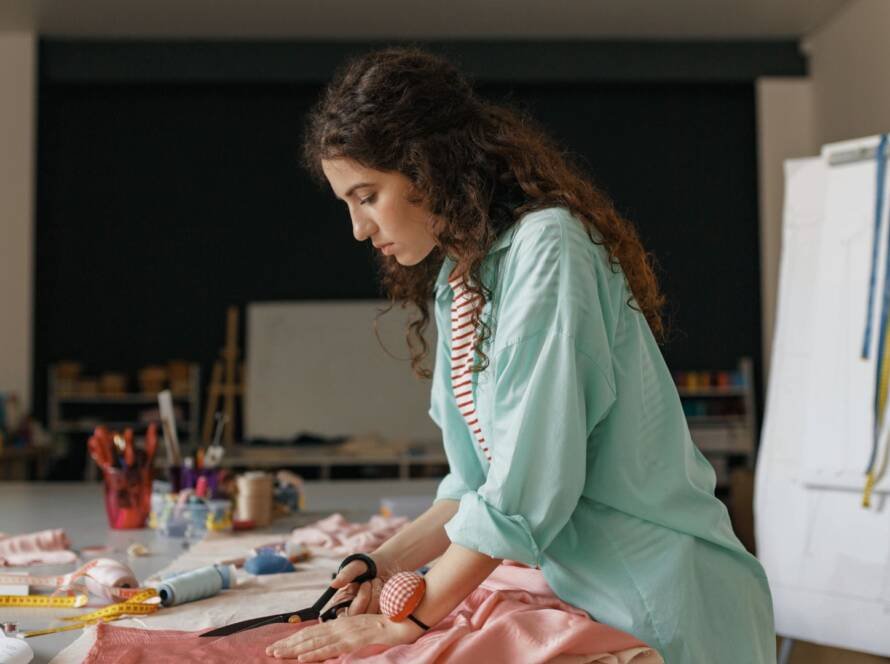


Completing a one-year fashion design course often brings a mix of excitement and uncertainty. The learning is intense, the exposure is new, and suddenly the question appears, what comes next? For many students, this is the first real interaction with the professional side of fashion, beyond sketchbooks and classroom assignments.
A shorter course does not mean a shorter vision. In fact, many institutes design these programs to be practical, skill-focused, and closely aligned with how the fashion industry actually operates. Students leave with hands-on experience, a working portfolio, and a clearer sense of where their strengths lie. That combination matters more than duration alone.
This blog explores the career paths available after a one-year fashion design course, the roles students can realistically step into, and how those paths can evolve over time within the fashion industry.
Understanding What a 1-Year Course Prepares You For
A one-year program is usually structured to cover the essentials. Design fundamentals, garment construction, textiles, pattern basics, and an introduction to industry workflows form the core. The pace is fast, but purposeful.
What students gain is not mastery of everything, but functional competence. Enough to contribute. Enough to learn on the job. Enough to grow with experience. For a fashion design career, this foundation is often more valuable than theoretical depth alone.
Assistant Fashion Designer Roles
One of the most common entry points after a one-year course is the assistant designer role. These positions exist across design studios, export houses, and independent labels.
Responsibilities typically include:
- Supporting senior designers with design development
- Preparing mood boards and basic design sheets
- Assisting in fabric and trim selection
- Participating in fittings and design revisions
This role allows graduates to observe how ideas move from concept to final garment. It also builds an understanding of timelines, teamwork, and client expectations, all essential for long-term growth.
Garment Production and Sampling Positions
Not all fashion careers begin on the design table. Production and sampling roles are critical in the industry and well suited for one-year course graduates with strong technical skills.
Common roles include:
- Sampling assistant
- Production coordinator
- Junior garment technologist
These positions focus on fit, construction quality, and communication between design and production teams. Students who enjoyed garment construction and pattern work during their fashion design course often adapt well here.
Fashion Merchandising and Coordination
Fashion merchandising is a strong option for students who enjoy both creativity and organization. It connects design, production, and business.
Key responsibilities may involve:
- Coordinating with buyers and vendors
- Managing timelines and order tracking
- Assisting with costing and material sourcing
- Supporting product development cycles
This path offers steady growth and wide exposure to fashion industry jobs, especially in structured retail and export environments.
Boutique and Independent Label Opportunities
Some graduates choose a more entrepreneurial route. A one-year course can provide enough technical grounding to start small, especially in boutique or custom design settings.
Possible directions include:
- Custom wear design
- Bridal or occasion wear studios
- Small-scale ethnic or fusion labels
While scale may be limited initially, the learning is direct and practical. Managing clients, sourcing materials, and overseeing production helps sharpen both creative and business instincts.
Styling and Visual Merchandising Roles
For students drawn to presentation rather than production, styling-related roles offer another path.
These may include:
- Styling assistant
- Visual merchandising coordinator
- Showroom or display stylist
Such roles are common in retail brands, exhibitions, and fashion events. They rely on design sensibility, trend awareness, and an understanding of garments in real-world settings.
Textile and Surface Design Support Roles
Graduates with a strong interest in fabrics, prints, or surface techniques can explore textile-focused roles.
Options include:
- Textile design assistant
- Print development coordinator
- Embellishment or surface design support
These roles often exist within larger design teams and production houses, offering steady specialization over time.
Fashion Content and Design Support Careers
Some students discover an interest in communication during their course. With additional skill-building, roles such as fashion content coordinator, design documentation assistant, or social media styling support become possible.
These roles blend design knowledge with writing, presentation, or digital skills and are increasingly relevant in today’s fashion ecosystem.
How Careers Grow After the First Job
The first role after a one-year program is rarely the final destination. Growth depends on consistency, curiosity, and willingness to learn beyond the classroom.
Many professionals:
- Build stronger portfolios through real projects
- Take short certifications alongside work
- Specialize in a particular area over time
A fashion design career often unfolds in stages. Early roles provide exposure, later roles bring focus, and experience shapes direction.
Choosing the Right Path for Yourself
Not every graduate needs to follow the same route. Some thrive in structured environments, others in creative independence. Understanding personal strengths helps in making better choices.
Consider:
- Comfort with technical details
- Interest in coordination versus creation
- Long-term career goals
- Learning style and work preferences
A one-year fashion course offers options, not limitations. The path chosen matters less than the commitment to growth.
Conclusion
A one-year fashion design course can be the beginning of many meaningful journeys. It equips students with essential skills, industry awareness, and the confidence to step into real-world roles without delay. For those willing to learn, adapt, and stay engaged, opportunities within the fashion industry continue to expand over time.
Careers in fashion are built through practice, not shortcuts. With clarity, patience, and consistent effort, a one-year course becomes a solid foundation for a long and evolving fashion design career.