

Fashion as a career has become more structured than ever, and with that structure comes a wide range of learning formats. Some students prefer to jump into the industry quickly, while others want to build a deeper academic base. This is where the difference between 1-year and 3-year fashion courses becomes important. Each pathway shapes a student’s growth in its own way, depending on their goals, timelines, and appetite for detail.
While both formats are respected in the industry, they serve slightly different kinds of learners. A one-year course is usually more compact, faster, and designed for early skill-building. A three-year course, however, gives room for extensive training, varied projects, and more time to develop one’s signature approach.
This blog explores the structure, benefits, challenges, and outcomes of 1-year and 3-year programs so readers can understand which path aligns better with their plans.
Understanding the structure of 1-year programs
A 1-year format is often considered a short-term fashion designing course in most institutes. It typically focuses on core subjects that students need to begin working or interning quickly. While the duration is shorter, the pace is significantly quicker, which means students are learning multiple topics in tight cycles.
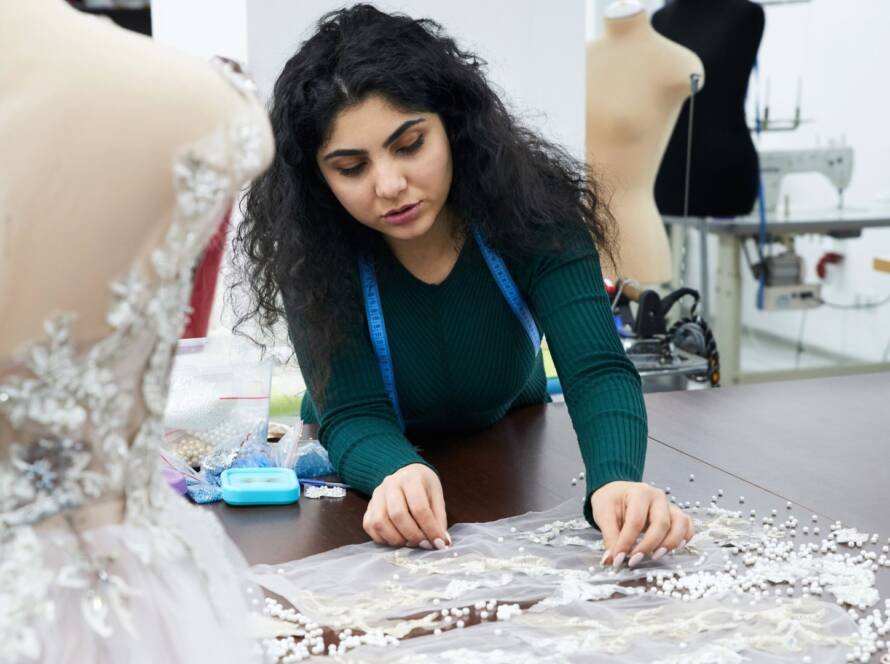
Most one-year programs cover areas like foundation sketching, garment construction basics, introductory pattern-making, and textile awareness. These are essential pillars in the fashion industry, and having them in one concentrated year helps students gain confidence early. The learning style is usually very classroom- and practice-driven. Students spend more time completing practical assignments and short-duration projects instead of long-term research.
This format works well for individuals who want to explore the field before committing to a longer program. It also suits those who want to move into entry-level work sooner.
Who benefits most from 1-year fashion courses
A one-year track is ideal for students who want a quick introduction to the field. For example, someone who has already completed another degree and wants to shift into fashion design without committing multiple years might prefer this route. It also appeals to working professionals who want structured fashion design classes to enhance their skill set.
Common situations include:
- Students who need a faster pathway into internships
- Individuals who want to test their interest before going deeper
- Learners who prefer hands-on practice over long theoretical modules
- People who want to add a fashion certification to complement another career
It is efficient, skill-focused, and usually more budget-friendly. However, the fast pace means students must keep up actively.
Understanding the structure of 3-year programs
A three-year course goes far beyond basic skill-building. It covers detailed modules such as design development, advanced pattern-making, draping, textile science, software-based design, and portfolio creation. Students get significantly more time to refine their abilities, learn from mistakes, and develop thought processes that are essential for long-term careers.
Longer programs also include projects that last several weeks, sometimes spanning full seasons. They may involve client-based assignments, faculty critiques, industry visits, or participation in shows. All of this builds maturity in design decisions.
Another advantage is exposure. Students in three-year courses spend time experimenting, researching consumer behavior, understanding market needs, and building collections with a clearer sense of direction.
Who benefits most from 3-year fashion programs
Three-year formats work best for learners who want in-depth training. They help students who enjoy exploring concepts slowly, revisiting ideas, and building work that reflects their personal voice.
This type of program is ideal for:
- Students aiming for long-term design careers or entrepreneurship
- Individuals who want time to build a strong portfolio
- Those who prefer detailed theoretical grounding along with practical work
- Learners who want to experiment with multiple styles before choosing one
A longer course also offers more opportunities for internships, industry collaborations, and campus-based projects, leading to more professional exposure by the time students graduate.
Comparing learning outcomes: 1-year vs 3-year
Although both programs fall under the larger umbrella of fashion courses, the outcomes differ simply because of the time invested and level of detail.
A one-year course typically helps students
- Gain foundational knowledge
- Start working in assistant-level roles sooner
- Build basic fashion sketching and pattern skills
- Explore the field without long-term commitment
A three-year course generally helps students
- Build strong conceptual and technical mastery
- Create portfolio-ready work
- Understand industry trends and production workflows more deeply
- Develop a confident design identity
The difference is not about which one is superior, but rather about the kind of preparation each path offers.
Industry relevance and career readiness
In the fashion world, both short and long formats have value. Recruiters often evaluate a candidate’s portfolio, skill clarity, and willingness to learn. A student from a short-term program may enter the industry earlier and gain real-world experience quickly. Another student from a three-year program may take longer to enter but will have a broader skill set and more polished work.
Employers understand that fashion learning is not linear. Some designers begin with short-term training and build their careers through apprenticeships. Others work through structured academic programs that offer more time for immersion.
In both scenarios, commitment to learning plays a larger role than duration alone.
A practical comparison for fashion students
To help students evaluate their options, here is a straightforward side-by-side look.
1-year course is better when,
- You want fast-track learning
- You are exploring fashion as a new career path
- You prefer practice-heavy modules
- You want to start interning early
3-year course is better when,
- You want a full foundation with advanced subjects
- You prefer deeper academic training
- You want to develop a detailed portfolio
- You are preparing for long-term design roles
Both paths have merit, and neither restricts what you can achieve later. Some students begin with a 1-year course and later pursue additional training. Others commit to a three-year journey from the beginning.
Somewhere in the middle of this evaluation, it helps to remember that fashion courses are not only educational programs but also stepping stones. They give students structure while allowing them to navigate their professional direction. The choice of duration should match one’s pace, goals, and comfort with learning intensity.
Conclusion
A thoughtful choice between a 1-year and 3-year program comes down to clarity of purpose. Students who want quick entry into the field may benefit from a short-term format. Those who want deeper theoretical and creative development may find the longer option more fulfilling. Either way, both pathways sit under the broader world of fashion courses and help students take meaningful steps toward their careers.
The key is choosing the track that aligns with your learning style, timeline, and future plans in fashion design.