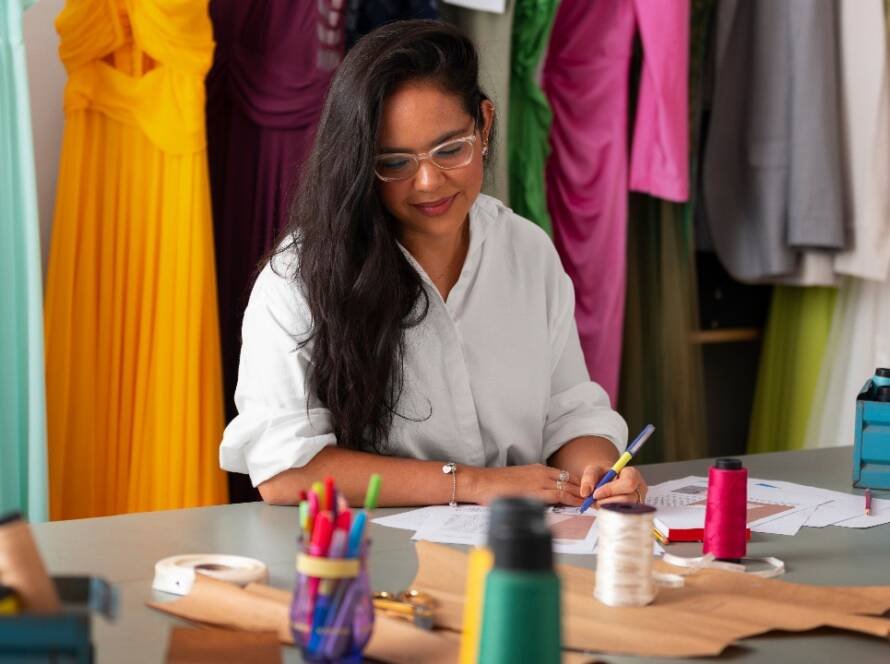


Fashion design is more than just creating beautiful garments; it is a structured journey that transforms ideas into wearable art. Understanding the fashion design process is essential for aspiring designers, students, and professionals who aim to design clothes that resonate with both aesthetics and functionality. This journey starts with a sketch and evolves through multiple stages before finally reaching the runway or retail space. Each step demands creativity, technical skill, and a deep awareness of the industry’s rhythm.
Concept Development
Every collection begins with a concept. Designers often draw inspiration from culture, history, nature, architecture, or contemporary social trends. The goal is to develop a cohesive vision that guides every aspect of the design process. At this stage:
- Mood boards are created to capture colors, textures, and themes.
- Research is conducted on target markets, seasonal trends, and competitor collections.
- Preliminary sketches help visualize initial ideas and explore possibilities.
A strong concept ensures that the designs have a story, providing direction and cohesion across the entire collection. This is the foundation on which all technical work will be built.
Fashion Illustration
Once the concept is clear, designers translate ideas into visual form through fashion illustration. This stage is crucial for communicating your vision to team members, manufacturers, and clients. Fashion sketches focus on proportions, poses, and garment details, allowing designers to refine silhouettes and experiment with style elements.
Key considerations in fashion illustration include:
- Accurate anatomical proportions to make designs realistic.
- Attention to fabric texture and drape to suggest movement.
- Exploration of color palettes and pattern placement to align with the concept.
Illustrations are not just artistic exercises; they are working documents that guide subsequent stages of design.
Pattern Making
Pattern making converts a two-dimensional sketch into a blueprint for garment construction. This process requires technical precision and an understanding of fabric behavior. Designers or pattern makers draft patterns that outline the shape and structure of each garment piece.
Important aspects of pattern making:
- Drafting patterns based on measurements or standard sizes.
- Creating prototypes or muslins to test fit and proportions.
- Adjusting patterns to ensure the design’s intended silhouette and functionality.
The patterns act as a bridge between concept and physical garment, allowing the designer to evaluate how the sketch translates into three dimensions.
Draping and Fabric Selection
Draping involves arranging fabric on a dress form to explore shape, volume, and movement. This stage allows designers to interact with the material physically and make adjustments before final construction. Simultaneously, selecting the right fabric is critical; texture, weight, stretch, and pattern all influence how the garment will behave.
Tips for effective draping and fabric selection:
- Test fabrics in small samples to assess drape and flexibility.
- Combine textures and materials thoughtfully to achieve the intended aesthetic.
- Experiment with layering and folding techniques for visual impact.
Draping provides insight that sketches alone cannot offer, helping designers solve design challenges early.
Garment Construction
With patterns and fabrics ready, the next step is garment construction. This is the technical heart of the fashion design process, where precision in sewing, cutting, and finishing defines the quality of the final product.
Key points in garment construction include:
- Seam accuracy to maintain structural integrity and design intention.
- Finishing techniques such as hemming, lining, and topstitching.
- Fitting adjustments to ensure comfort and silhouette perfection.
Constructing garments is a labor-intensive stage that tests both patience and technical skill. Attention to detail is paramount to ensure the design is faithfully realized.
Fashion Illustration for Production
While initial sketches guide concept development, production-ready illustrations or technical flats are often required for manufacturing. These detailed drawings include seam lines, measurements, and construction notes, providing clear instructions to production teams.
This stage ensures that designs can be efficiently reproduced while retaining design integrity. It also bridges the gap between creative vision and mass production requirements.
Portfolio Development
Throughout the fashion design process, maintaining a portfolio is essential. Portfolios serve as a professional record of skills, creativity, and completed work, and they are often the first impression prospective employers or clients will see.
Elements of a strong fashion portfolio:
- High-quality illustrations and sketches.
- Photos of draped muslins and finished garments.
- Clear documentation of the design process, including inspiration, materials, and techniques.
A well-curated portfolio reflects the designer’s journey from concept to completion, showcasing versatility and technical proficiency.
Industry Exposure
Exposure to the fashion industry is a critical part of the learning process. Attending workshops, collaborating on live projects, and engaging with mentors provide practical insights that cannot be gained in isolation. Understanding trends, consumer preferences, and business operations equips designers with tools to succeed professionally.
Benefits of industry exposure include:
- Learning best practices in garment construction and design.
- Understanding market demands and commercial viability.
- Networking with established professionals and gaining mentorship.
This hands-on experience ensures that the designer is not only creative but also industry-ready.
Showcasing the Collection
The final stage of the fashion design process is showcasing the collection, whether in a runway show, showroom presentation, or online platform. This is where the cumulative effort of sketches, patterns, draping, and construction comes to life in a cohesive, impactful display.
Considerations for a successful showcase:
- Cohesion of theme, color, and silhouette across the collection.
- Strategic styling and accessorizing to enhance the garments.
- Effective presentation techniques that highlight craftsmanship and creativity.
The showcase not only validates the designer’s work but also opens doors for professional recognition and career advancement.
Conclusion
The journey from sketch to runway is a detailed, iterative, and highly rewarding process. Aspiring designers must navigate concept development, fashion illustration, pattern making, draping, garment construction, and portfolio building, all while remaining connected to industry practices. By understanding this comprehensive fashion design process, designers can create clothes that are not only visually striking but also technically sound and commercially viable. Whether you are a student honing your skills or a professional refining your craft, mastering each stage equips you to bring ideas to life confidently and successfully.
Fashion design is a discipline that balances creativity with precision, imagination with execution, and vision with technical skill. Following the structured process ensures that each design evolves logically, yet allows space for artistic expression, ultimately producing garments that make an impact from studio to runway.