

So you love fashion and want to turn that passion into a career. That’s exciting! But now comes the big question: should you become a designer who creates clothes, or go into fashion merchandising where you help bring those designs to customers? Both paths can lead to amazing careers, but they’re pretty different. Let’s talk about what each one actually involves so you can figure out which fits you better.
What Fashion Designers Actually Do
Think of fashion designers as the artists of the fashion world. They’re the ones dreaming up new looks and bringing them to life. If you’re always doodling outfit ideas, love playing with fabrics, or get excited imagining clothes you’d love to create, design might be calling your name.
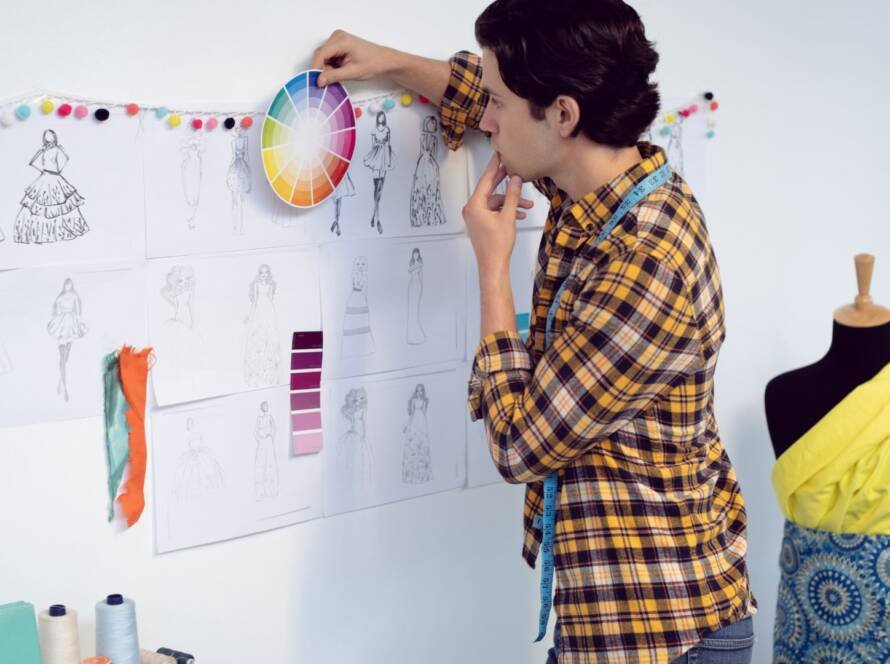
Designers spend their days sketching new designs, picking out fabrics and colors, making patterns, and watching over the whole process of turning their ideas into actual clothes. What makes design so appealing is the creative freedom. You get to express yourself through your work and see your ideas become real clothes that people actually wear. But it’s not all about being artistic. You also need to know technical stuff like how to make patterns, how different fabrics work, and how clothes are actually constructed.
Understanding Fashion Merchandising
Now let’s talk about fashion merchandising. This is where the business side of fashion happens. While designers create the clothes, merchandisers figure out how to get those clothes to the people who want to buy them.
Fashion merchandisers are like the strategic planners of the fashion world. They study what’s trending, predict what customers will want next season, decide which styles to stock in stores, set prices, and plan how to sell everything. A typical day might include looking at sales numbers, meeting with store buyers, planning what products to offer next season, or visiting stores to see how things are displayed.
This path is perfect if you love fashion but also enjoy the puzzle of understanding what makes people buy things. You’re not creating the clothes yourself, but you’re deciding which ones get made, how much they cost, and how they reach customers.
How These Two Paths Are Different
The main difference comes down to what you focus on each day. Design is about creating and expressing your artistic vision. Fashion merchandising is about strategy, numbers, and connecting products with customers.
Skills You Need for Each Path
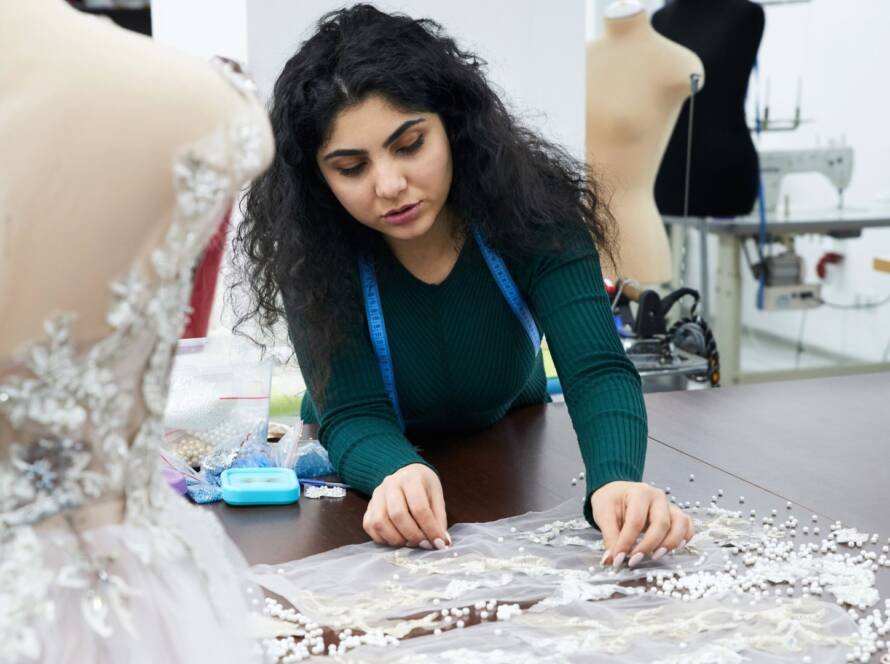
If you choose design, you need to be good at drawing, have a great eye for colors and shapes, and know how to construct garments. You’ll work with your hands a lot, whether you’re sketching, draping fabric on mannequins, or working with sewing machines.
If you go into merchandising, you need different skills. Being good with numbers helps because you’ll analyze sales data and work with budgets. Understanding people and what they want is huge. You also need to communicate well since you’ll work with lots of different teams.
Work Environment and Daily Life
Designers usually work in studios filled with fabrics, sketch boards, and sewing equipment. It’s a hands-on, creative space. Merchandisers often work in offices or retail spaces, spending time at desks with computers and in meetings. Where you go in your career also differs. Designers might start as assistants and eventually run creative teams or start their own brands. Merchandisers often begin as assistant buyers and can end up running entire merchandising departments for major retailers.
What Are Your Natural Strengths?
Take a moment to think about what you’re naturally good at. Do you love sketching? Are you always noticing how clothes are made and how things fit? Can you picture in your mind how a garment should look even before you make it? These are signs that design might be your thing.
Or maybe you’re the person who always knows what’s going to be trendy before everyone else catches on. Do you enjoy figuring out why certain items sell like crazy while others don’t? Are you comfortable working with spreadsheets and data? Then merchandising could be perfect for you.
Here’s some good news: you don’t have to fit perfectly into just one box. The industry has roles that mix both, especially in smaller companies. Some people even start in one area and switch to the other later.
Learning the Skills You Need
Most fashion design education programs traditionally take three or four years. You learn everything from sketching and sewing to understanding fabrics and fashion history. You also build a portfolio of your work, which is super important when you’re looking for jobs.
Fast-Track Design Education Options
But things are changing in education. Some schools now offer intensive one-year programs that teach you the essential design skills through lots of hands-on practice. These faster programs work well if you want to get into the industry sooner rather than spending several years in school.
For merchandising, education often mixes fashion classes with business courses. You might study retail management, understanding customer behavior, marketing, and how supply chains work. No matter which path you choose, getting real experience through internships and industry projects matters a lot. They help you understand how the fashion world actually works and meet people in the industry.
What Jobs Can You Get?
Design Career Opportunities
Fashion design opens up lots of possibilities. You could design clothes for a brand, create costumes for movies or theater, work as a technical designer, or freelance for different clients. Some designers focus on specific things like bridal wear, sportswear, or accessories.
Merchandising Career Paths
Merchandising has its own set of career options. You might become a buyer who picks products for stores, a merchandising manager who plans what to sell each season, a visual merchandiser who creates store displays, or a trend forecaster who predicts future styles.
Both paths also let you start your own business. Designers can launch their own clothing lines or work as consultants. Merchandisers can open boutiques or help fashion brands grow as consultants. Starting salaries are usually similar in both fields, but how much you eventually earn depends on your experience and how good you become at what you do.
Making Your Decision
Be honest with yourself about what really excites you. If the idea of creating something brand new from scratch makes you happy, if you’re constantly imagining new outfit ideas, and if you love working with your hands, then design is probably your answer.
But if you get excited thinking about why some trends explode while others flop, if you enjoy the business side of bringing products to market, and if you like mixing creativity with strategy, then fashion merchandising might be where you belong. Both are valid fashion careers for people who truly love this industry.
Before you decide for sure, do some exploring. Talk to people actually working in these jobs. Follow designers and merchandisers on social media to see what their daily work looks like. Remember, picking one direction now doesn’t mean you’re stuck forever. Many successful fashion professionals have moved between design and merchandising during their careers.
Your Fashion Journey Begins Now
Both fashion design and fashion merchandising offer exciting careers if you’re passionate about fashion. There’s no right or wrong choice, just the choice that fits who you are and what you want from your career. Take your time exploring both options and trust your instincts about what feels right.
If design is calling to you and you want focused training that prepares you for the real world quickly, Institut de Silhouette in Bangalore offers a practical one-year fashion design course that combines creative training with hands-on experience and industry mentorship, helping you build both skills and a portfolio so you can start your fashion career sooner.