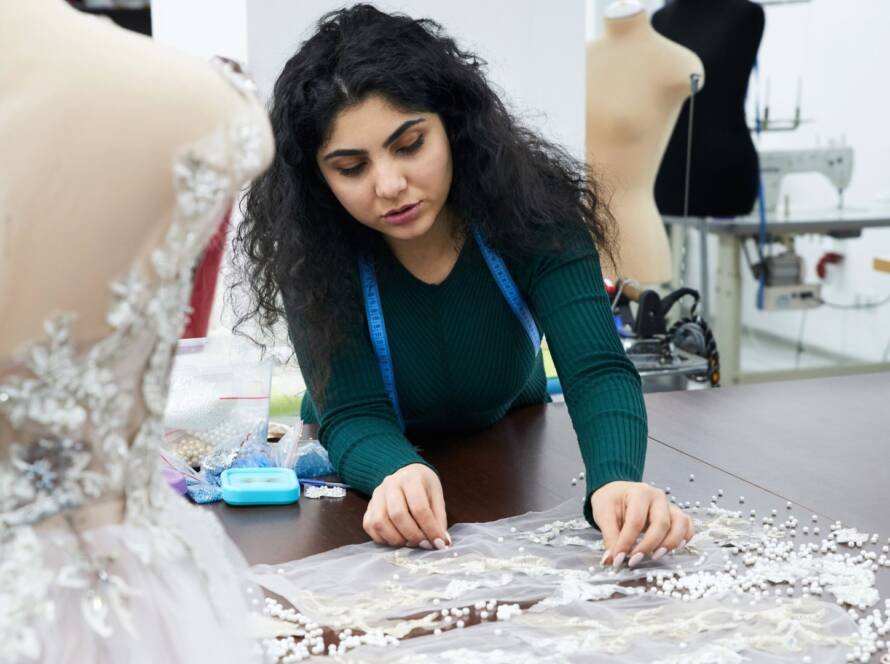


Have you ever dreamt of wearing an outfit you made with your own two hands? The world of garment making might seem intimidating, filled with complex patterns, baffling terminology, and the whirring sound of a machine you barely know how to thread. But rest assured, every master fashion designer started exactly where you are now: with a first stitch.
This guide is designed to transform that initial fear into confidence, offering essential sewing tips for beginners focused specifically on garment making. We’ll cover everything from tool essentials to fundamental sewing techniques, ensuring your first wearable project is a success.
I. Choosing Your First Project: The Art of Starting Simple
The most common mistake beginners make is starting with a pattern that is far too complicated. Don’t let a grand vision of a tailored jacket derail your journey! Your first garment should be a confidence-builder.
Criteria for the Perfect First Garment:
- Simple Silhouette: Look for boxy tops, simple elastic-waist skirts, or pajama pants. These require mostly straight seams and minimal fitting.
- Woven Fabric: Stick to stable, easy-to-handle woven fabrics like mid-weight cotton, linen, or broadcloth. Avoid slippery silks, heavy denim, or stretchy knits until you have a few finished projects under your belt.
- Minimal Closures: Skip zippers, buttonholes, and intricate cuffs for now. An elastic casing is your best friend.
II. Essential Tools: Your Sewing Command Center
Before you cut a single piece of fabric, gather your core equipment. Investing in quality tools will save you frustration and ensure cleaner results.
- A Reliable Sewing Machine: Simple is best. Ensure you know how to thread it, wind the bobbin, and change the needle.
- Fabric Shears: Dedicate one pair of sharp, high-quality scissors only for cutting fabric.
- Seam Ripper: This is the most-used tool for every sewer, even the pros! Embrace it, don’t fear it.
- Measuring Tape: A flexible tape for taking accurate body and pattern measurements.
- Quality Pins/Clips: To hold your fabric pieces together before sewing.
- Iron and Ironing Board: Crucial for setting seams and giving your garment a professional finish.
III. Preparation: The Steps Before the Stitch
The preparation phase is the most critical part of garment making. Rushing this section guarantees frustration later.
A. The Golden Rule of Fabric: Pre-Wash Everything!
Before cutting, wash and dry your fabric exactly how you intend to wash the finished garment. Fabric often shrinks on its first wash, and cutting a garment before this can result in an item that no longer fits after laundering. Once dried, press the fabric smooth.
B. Reading Your Pattern:
Familiarize yourself with the pattern envelope. Note your body measurements and compare them to the pattern sizing (which is often different from ready-to-wear sizing).
- Seam Allowance: This is the distance from the edge of the fabric to the line of stitching. It must be consistent! Most patterns use 5/8″ or 1/2″.
- Grainline: This arrow must run parallel to the selvage (the finished edge of the fabric) and is crucial for how the fabric hangs. Laying your pattern pieces incorrectly will make your finished garment twist or hang poorly.
- Notches: Small markings used to align and join corresponding pattern pieces. Clip these away from the seam line, or mark them with chalk.
C. Cutting and Marking:
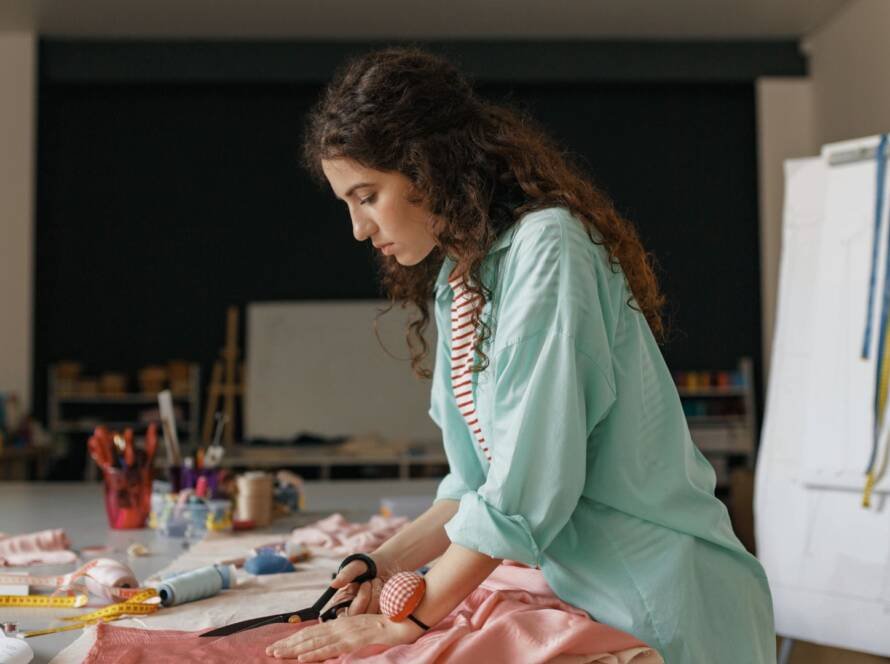
Lay your pre-washed, pressed fabric flat. Use pattern weights (or even heavy cans) instead of just pins to hold the pattern flat, ensuring the pieces are cut accurately. Use tailor’s chalk or a wash-away fabric pen to transfer critical markings (like darts or pocket placements) onto your fabric before removing the paper pattern.
IV. Mastering Essential Sewing Techniques
The transition from fabric pieces to a cohesive garment relies on a few core sewing techniques.
1. The Consistency of the Seam Allowance
Your single biggest challenge will be keeping your straight stitching line consistent. Most sewing machines have small lines on the needle plate. Use one of these as a constant guide for the edge of your fabric.
Pro Tip: Practice on scrap fabric first. Draw a straight line on the scrap and stitch directly on it. This builds muscle memory for controlling the machine’s speed and maintaining a perfect line.
2. The Power of Pressing
This is often called The Golden Rule of Sewing. You must press (iron) your seam after every single time you sew. Pressing your seams accomplishes two things:
- Setting the Stitch: A quick press helps the thread meld into the fabric, making the stitch stronger.
- Opening the Seam: Pressing the seams open or to one side helps the final garment lay flat and professional, avoiding unwanted bulk.
3. Finishing Your Edges
Since your fabric is woven, it will fray. Unfinished edges on the inside of a garment look messy and weaken over time. You must finish the raw edges before you complete the garment construction.
- Simple Zigzag: The easiest method for beginners. Use your machine’s zigzag stitch close to the raw edge of the fabric.
- Pinking Shears: If your fabric is not highly prone to fraying, you can use these specialty scissors that cut a zigzag edge.
- French Seams (Advanced Beginner): A beautiful technique where the raw edges are fully enclosed within the seam—perfect for sheer or lightweight fabrics.
4. Seam Construction: Pin, Stitch, Remove
When sewing pieces together, pin them perpendicularly to the seam line. This means the pinheads point out toward the edge. Always remove your pins before the needle hits them. Sewing over pins can break your needle and damage your machine.
5. Hemming
A hem is a finished edge that gives your garment weight and a clean finish. For beginners, a simple double-fold hem is perfect:
- Press the raw edge in by $1/4$ inch.
- Press it in again by your desired hem allowance (e.g., $1$ inch).
- Stitch close to the top fold line.
V. Troubleshooting and Confidence
Mistakes are not failures; they are learning opportunities. Even experienced designers—and the students in our 1-year fashion design course rely on their seam rippers constantly.
- Thread Snapping: This is usually a sign of incorrect tension on your machine or a burr on your needle. Check both before you continue.
- Fabric Bunching: Ensure your machine is threaded correctly and you are not pulling the fabric. Let the feed dogs (the teeth under the needle) do the work.
- The Fit is Off: This is where a muslin (or toile) comes in. For future projects, make a practice version of your garment in cheap fabric first to check the fit and make adjustments before you cut into your fashion fabric.
Conclusion: Stitching Your Own Future
Congratulations! You are ready to start making your first garment. Patience, precision in cutting, and constant pressing are the secrets to a professional finish. This first creation is the beginning of a powerful journey.
Ready to take your passion from a beginner hobby to a professional career?